
The Environment: Creating an Immersive Experience
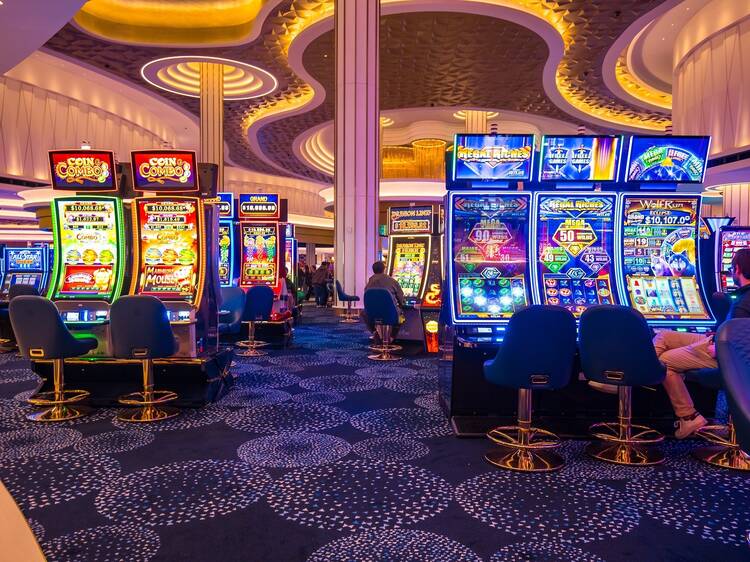
Casinos are designed to immerse players in a captivating environment that is both visually and audibly stimulating. This is evident when considering that many players enjoy using a real money poker app for their gaming experiences, as it combines convenience with excitement. From the brightly colored lights to the sound of slot machines ringing in wins, everything is meticulously crafted to create an atmosphere that encourages gambling. This sensory overload is no accident; it keeps players engaged longer than they may have initially intended.
The layout of a casino is also strategically constructed. By placing games close together and avoiding clocks, casinos create an environment where players feel disoriented and more likely to stay. This spatial arrangement plays a crucial role in encouraging players to wander from one game to another, fostering a cycle of continuous play that can be hard to break.
The Role of Rewards: Variable Reinforcement
Another psychological trick that casinos employ is the principle of variable reinforcement. Unlike fixed reward schedules, variable rewards provide payouts at unpredictable intervals, which keeps players engaged and guessing. This unpredictability taps into the brain’s reward system, leading to heightened excitement and anticipation with each spin of the slot machine or shuffle of the cards.
This method not only increases the amount of time players spend at the tables but also enhances their emotional investment in the game. When players do win, the joy of the unexpected victory is often more intense, further reinforcing the behavior of returning to the games in hopes of another win. This cycle of hope and reward acts as a powerful motivator to keep players engaged.
The Psychology of Loss: Chasing Losses
Casinos are aware of a phenomenon known as “chasing losses,” where players who have lost money feel compelled to gamble more in an attempt to recover their losses. This psychological trick is particularly potent; players often become emotionally tied to their losses, which can cloud their judgment and lead them to make irrational decisions. The more they lose, the more they feel the need to keep playing, convinced that the next game will finally bring them back to even.
This strategy is a double-edged sword. While players believe they have a chance to win back what they lost, the reality is that the house advantage ensures that this rarely happens. Instead, the relentless pursuit of recovery can lead to greater losses, further entrenching players in the casino’s grasp.
Many casinos employ VIP programs and loyalty schemes to create a sense of exclusivity and emotional connection with players. These programs often include perks such as free meals, hotel stays, and game credits, which make players feel valued and appreciated. By rewarding frequent players, casinos encourage them to continue gambling in hopes of obtaining more benefits.
This emotional bond is vital for casinos, as it transforms casual players into loyal customers. The sense of belonging to an exclusive group makes it harder for players to walk away, as they fear losing not just their current stake but also the benefits they have earned through their loyalty over time.
Understanding Your Gaming Preferences and Habits
For those looking to engage with gaming responsibly, it’s crucial to understand how these psychological tricks operate. Recognizing the environment’s influence, the power of rewards, and the emotional traps laid by casinos can empower players to make informed choices about their gambling habits. This understanding fosters a healthier relationship with gaming and can help individuals set limits to avoid excessive losses.
While casinos are expertly designed to keep players gambling, awareness of these tactics can aid individuals in maintaining control. By choosing to approach gambling with a mindset focused on entertainment rather than profit, players can enjoy the experience without falling prey to the psychological tricks that casinos use to keep them playing longer than they intended.
